
The concept of ideology is multifaceted, with different interpretations shaping its application and understanding in cultural contexts. Each definition of ideology offers a unique lens through which we can examine its profound influence on popular culture. This essay aims to critically reflect and provide an easier understanding of five ways to define ideology
1. Ideology as a Systematic Body of Ideas
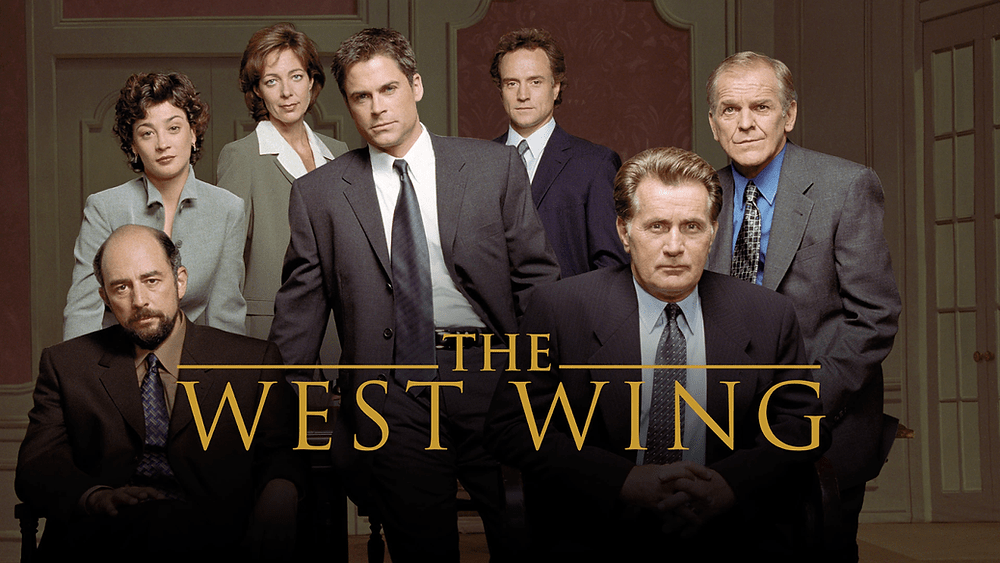
The first definition sees ideology as a structured corpus of ideas articulated by a particular group (Storey, 2015). This perspective is crucial for understanding how organized belief systems influence cultural movements and trends. For instance, political ideologies like liberalism, conservatism, and socialism each promote distinct values that permeate various aspects of popular culture, from media content to public discourse. These ideologies shape cultural products, such as films, music, and literature, which in turn reinforce and propagate the values and beliefs of their adherents. Many popular TV shows, films, and books have been influenced by liberal ideology, promoting values like individual rights, social progress, and government intervention to address social issues. For example, the TV series “The West Wing” portrayed a liberal administration in a positive light, highlighting the importance of democratic institutions and public service (Moylan, 2016). Similarly, films like “Erin Brockovich” and “Milk” have tackled social and environmental injustices from a liberal perspective.
2. Ideology as Masking or Distortion
The second definition suggests that ideology can mask, distort, or conceal reality. This concept is evident in how media often portrays social issues, manipulating perceptions to serve specific interests (Storey, 2015). For example, advertisements often present idealized images of beauty and success, promoting consumerism while distorting reality. This manipulation creates unrealistic expectations and maintains stereotypes, shaping public perception and behavior in ways that benefit those in control of the narrative. Fashion magazines like Vogue, Elle, and Cosmopolitan frequently showcase images of models embodying a narrow and often unattainable standard of beauty, reinforcing unrealistic beauty standards and maintaining existing power structures.

3. Ideology as Ideological Forms
The third definition highlights how ideology manifests in “ideological forms,” such as television fiction, pop songs, novels, and films. This perspective emphasizes that all cultural products convey particular worldviews. For instance, Hollywood films often promote individualism and the “American Dream,” embedding these ideologies in narratives that reach global audiences. Similarly, K-pop music reflects and disseminates aspects of South Korean societal values and global aspirations. These cultural texts serve as vehicles for ideological dissemination, subtly influencing audiences’ beliefs and attitudes. By engaging with these forms, people internalize the underlying ideologies, which then shape their worldview and everyday practices (Storey, 2015).
4. Ideology and Connotation
According to the fourth definition, ideology operates primarily at the level of connotations according to a French cultural theorist Roland Barthes. Implicit meanings and associations attached to cultural products carry ideological significance. For instance, luxury brands signify more than just products; they symbolize wealth, status, and exclusivity. In popular culture, the subtle cues embedded in language, imagery, and symbols work to reinforce ideological messages. These connotations shape social norms and values, guiding consumer behavior and societal attitudes in ways that align with the interests of dominant ideologies (Storey, 2015).
5. Ideology as Material Practice
The fifth definition posits that ideology is a material practice, encountered in the routines of everyday life. This view suggests that ideology is not just a set of abstract ideas but is embedded in daily practices and interactions. For example, the ideology of neoliberalism is evident in the prevalence of gig economy jobs, where workers navigate flexible, precarious employment conditions as part of their everyday reality. Neoliberalism’s ideology is seen in the everyday lives of gig economy workers. Uber drivers, for example, deal with unstable income and lack of benefits, showing the neoliberal focus on flexibility and individual responsibility. Food delivery workers for companies like Deliveroo face safety risks, algorithmic management, and uncertain income, highlighting neoliberal values of efficiency and market solutions. Freelancers on platforms like Upwork and Fiverr work in competitive markets without social security, embodying the idea of self-management and entrepreneurialism (Vu&Nguyen, 2024). These cases show that neoliberal ideology is part of the daily practices and interactions of gig economy workers.
I am especially interest on the second definition when ideology is compared as a mask or a concealer for the out-dated thoughts and ideas. In the book, it mentioned a quite interesting case that is “false consciousness” when “the dominant class do not see themselves as exploiters.., and the subordinate classes do not see themselves as exploited” (Storey, 2015). This happens because ideologies make real social relationships hard to see, like during the Industrial Revolution when hard work was praised but harsh working conditions were hidden. However, as society changes, so do ideologies. For example, over time, labor movements made people aware of the need for fair wages and safe working conditions. Media and technology also play big roles in this change. Social media movements like #MeToo and Black Lives Matter make more people aware of issues like sexism and racism, challenging old ideas and promoting social change. This shows that as time goes on, false consciousness can be reduced, leading to a fairer society.
Ideology, in its various definitions, profoundly influences popular culture, shaping the way we understand and interact with the world. By recognizing the systematic, distortive, form-based, connotative, and material aspects of ideology, we can better understand the mechanisms through which cultural products convey and reinforce dominant ideas.
References
Storey, J. (2015). Cultural Theory and Popular Culture: An introduction. https://blogs.bgsu.edu/span6350/files/2012/08/Cultural-Theory-and-Popular-Culture.pdf. https://www.routledge.com/Cultural-Theory-and-Popular-Culture-An-Introduction/Storey/p/book/9780367820602
Moylan, B. (2016, June 22). Ten Years on from the west wing finale, the show’s shadow still looms large. The Guardian. https://www.theguardian.com/tv-and-radio/2016/jun/22/west-wing-netflix-friends-binge-watching-nostalgia
Vu, N., & Nguyen, L. (2024, May 24). The gig economy: The Precariat in a climate precarious world. ScienceDirect. https://www.sciencedirect.com/science/article/pii/S245229292400033X
 Cat study
Leave a comment